
Your next trip starts here.
Your cart is empty. Choose a destination to get started.
 Browse destinations
Present the whole group to a Cast Member before the first riders enter. One group rides while another supervises the non-rider, then responsibilities switch. At most two people ride in the second group; a sole waiting adult can be accompanied by one repeat rider. Lightning Lane access is a separate purchase decision.
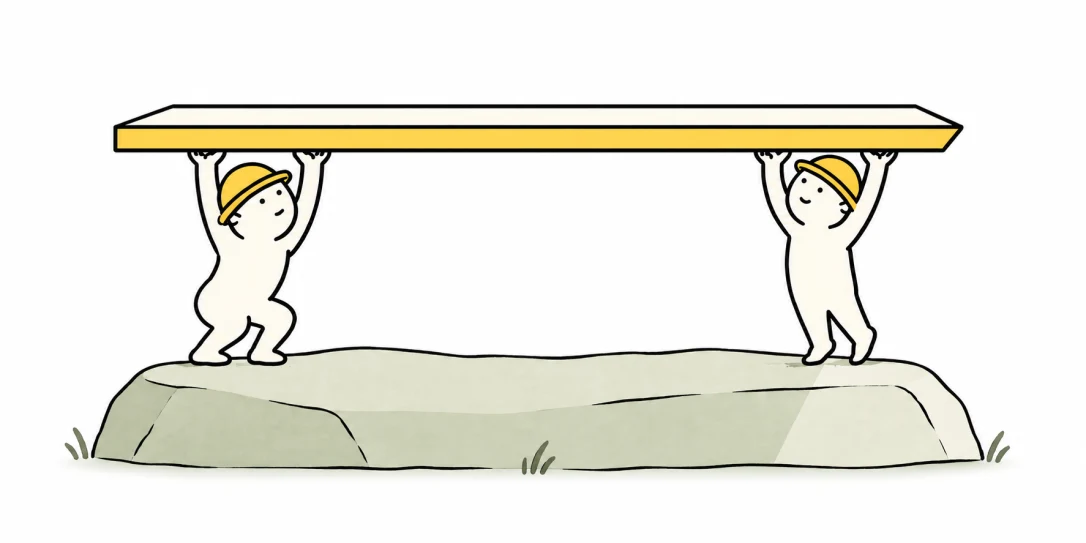
A family can agree on going to Disney World and disagree quite firmly about being launched into space. Rider Switch helps when someone cannot ride, or does not want to and cannot wait alone. One part of the group rides while another stays with the non-rider, then they swap responsibilities.
The important limit is that no more than two people ride in the second group. If just one adult has waited with a non-riding child, one person from the first group can accompany that adult on their turn. This can give an older child another ride, but it does not give the entire family another lap. Disney’s Rider Switch instructions.
Agree who rides first and who waits, then settle the tickets and reunion point. That small bit of planning is more useful than discovering the rule while two siblings each make an excellent case for being the favourite.
Here is a worked example with two adults, one older child who meets the attraction’s boarding requirements, and a younger child who is not riding.
| Stage | Riding | With the younger child |
|---|---|---|
| First turn | Adult Alex and the older child | Adult Sam |
| Handover | Nobody moves off until the groups reunite | Alex takes over from Sam |
| Second turn | Sam, with the older child as the one accompanying re-rider | Alex |
Both adults get a turn, the older child can ride with each of them, and the younger child remains accompanied. A published planDisney answer explains this one-waiting-adult arrangement; staff check the returning guest’s Rider Switch access at the attraction. planDisney’s family Rider Switch answer.
With three adults, you have a different choice. Two can ride first while the third stays with the child; one of those first riders can then accompany the waiting adult. Alternatively, one adult rides first and the other two ride second. In that second arrangement, both later-rider places are already occupied, so there is no additional place for somebody to repeat the ride.
For a larger family, keep willing later riders within that two-person limit from the outset. If two older children ride first with a parent, only one can accompany a sole waiting parent afterwards. Choose that person before joining the queue. A promise of “you can both go again” is surprisingly difficult to retract beside a rollercoaster.
Bring the whole group to the attraction entrance and tell the Cast Member you want to use Rider Switch. Disney calls the first riders Party A and the waiting group Party B. Staff scan the relevant admission media or tickets for the later riders and identify their return entrance. Party A then queues and rides; afterwards, the groups exchange supervision and the later riders return for another scan. They use the Rider Switch entrance without repeating the standard queue. Disney’s attraction-queue guidance.
Do not send the first riders off while the waiting adult wanders away to sort it out later. Staff need the group together to record the arrangement before the first riders leave. Keep the later riders’ own admission media accessible, rather than leaving everything with the person who is already on the attraction.
This is also a supervision arrangement, not childcare supplied by the park. With one adult and a child who cannot remain alone, there is nobody to perform the handover. For that visit, choose experiences you can do together rather than planning to leave the child waiting outside.
Rider Switch and paid Lightning Lane access solve different problems. Rider Switch avoids making the waiting group repeat the standard queue; it does not, by itself, give the first group paid access to a shorter queue.
If you plan to use standby for the first turn, do not buy Lightning Lane merely because you are organising a switch. If your plan is for everyone to avoid standby, budget for the appropriate Lightning Lane access for every rider aged three or older, including the adult waiting first. That is the buying instruction in planDisney’s January 2026 answer. Do not price the day on the assumption that paying for the first group also buys Lightning Lane access for the waiting group. planDisney on Rider Switch and Lightning Lane.
For the first worked example, that means three riders to include in the paid-access plan: Alex, Sam and the older child. The younger child who will not ride is not a fourth rider. Sam’s later turn and the older child’s permitted repeat should still be arranged with the Cast Member before Alex goes in.
The first queue, attraction, handover and second turn all take time. Keep the next meal reservation or show far enough away that the plan does not depend on the whole family riding simultaneously.
Choose a specific reunion place before splitting up, preferably something both adults can identify without interpreting “near the exit”. Share a photo of the spot if useful. Agree that the first riders will message when they are out, and physically complete the handover before the second adult leaves.
The waiting child does not need a packed programme of compensatory entertainment. A drink, a sit-down or a quiet activity may be exactly what they want. Equally, avoid setting off on another lengthy queue if that will leave the returning group searching for you. The point is to make the arrangement manageable for the person waiting as well as the people riding.
Rider Switch is not limited to a child being too short. Disney also identifies guests who do not plan to ride and cannot wait alone, service-animal situations, and particular queue-related needs. Other access arrangements are separate services; do not treat this family example as an assessment of anyone’s disability eligibility. Disney’s Rider Switch page lists participating attractions, so use that list when choosing your park activities rather than assuming every ride offers it.
Messages can help with that reunion, and our USA phone-data setup guide covers preparation for the wider holiday. Keep the agreed meeting place as a backup too. “Same spot after the ride” should still work when somebody’s phone is buried beneath three snack packets and a souvenir.
Rider Switch and the linked booking guidance were checked on 21 October 2026. Confirm the participating attraction and staff’s return instructions for your visit.